

Red Light Therapy, Explained by the Science
How light interacts with your mitochondria, and what 50 years of research actually shows about skin, sleep, and recovery.
You've probably seen the red glow on Instagram. Athletes sitting in front of panels. Skincare brands selling LED masks. Biohackers calling it the missing piece. The question most people skip: what is actually happening inside the body when red light hits the skin?
This is the full picture. No hype. No miracle claims. Just what the research says, and where it stops.
What red light therapy actually is
The technical name is photobiomodulation (PBM). It uses specific wavelengths of red and near-infrared light, typically between 630 and 850 nanometers, to influence how cells behave. It is not heat. It is not UV. It does not tan or burn the skin.
The therapy has been studied for over fifty years. The first paper appeared in 1967, when a Hungarian researcher named Endre Mester accidentally discovered that low-level laser light could speed up wound healing in mice. Since then, more than 7,000 peer-reviewed studies have been published on the topic.
The principle is simple: certain wavelengths of light penetrate the skin and are absorbed by your cells, where they trigger a measurable biological response. The interesting part is what happens after that absorption.
The mechanism, how light becomes energy
Inside almost every cell in your body sits a small organelle called the mitochondrion. You may remember it from biology class as the "powerhouse of the cell." That description is more literal than it sounds. Mitochondria produce ATP (adenosine triphosphate), the molecule your body uses as fuel for everything: muscle contraction, brain activity, immune response, skin repair.
One of the proteins inside the mitochondrial membrane is cytochrome c oxidase (CCO). This protein is the primary "photoreceptor" for red and near-infrared light. According to a 2018 review by Harvard researcher Michael Hamblin, one of the most-cited authors in the field, when CCO absorbs photons in the red and near-infrared range, three things happen in sequence:
- Nitric oxide, which normally inhibits CCO under stress, dissociates from the enzyme.
- Electron transport in the mitochondria speeds up.
- ATP production increases. Cellular signaling shifts. Repair processes activate.
In plain language: the cell gets more energy to do its job. That job depends on the cell. A skin cell builds collagen. A muscle cell repairs micro-tears. A pineal gland cell regulates the rhythm between sleep and waking.
Research suggests this is why a single mechanism, more ATP, produces such different downstream effects across different tissues.
Wavelengths matter
Not all red light is the same. The wavelength determines how deep the light penetrates and what tissue it reaches.
- 630 to 660 nm (visible red): penetrates 2 to 3 mm. Reaches the dermis. This is the wavelength used in most skin research.
- 810 to 850 nm (near-infrared, invisible): penetrates up to 5 cm. Reaches muscle, joints, and deeper tissue.
- Combination devices: use both. The data behind the most-cited skin studies, like Wunsch and Matuschka or Lee et al., comes from devices that combine 633 nm and 830 nm.
Anything below 600 nm (yellow, green, blue) is a different category. Blue light, for instance, has its own role in dermatology (acne treatment), but its mechanism is completely different. It doesn't reach the mitochondria the same way.
What the research shows, three areas
The literature is broad. We'll keep it to the three areas where the evidence is strongest and most relevant: skin, recovery, and sleep.
1. Skin: collagen, fine lines, texture
The most-referenced clinical trial in this space is a 2014 randomized controlled study by Wunsch and Matuschka. 136 volunteers were divided into treatment groups and a control group. They received twice-weekly sessions with red and near-infrared light over 30 sessions.
The measurements were not subjective. Researchers used ultrasonographic collagen density measurement and digital profilometry to quantify the changes. The treated groups showed measurable increases in intradermal collagen density and reduced skin roughness compared with controls.
Lee et al. (2007) ran a split-face study with 76 patients. One half of the face received 830 nm, 633 nm, a combination, or sham light. The combination treatment produced the strongest histological changes: thicker collagen fibers visible under electron microscopy.
What this means in plain terms: research suggests red and near-infrared light can stimulate fibroblasts, the cells responsible for producing collagen, to do their job more efficiently. Results are not instant. Most studies show changes appearing between 6 and 12 weeks of consistent use.
2. Muscle recovery and performance
The clearest evidence here comes from a 2015 systematic review and meta-analysis by Leal-Junior and colleagues, published in Lasers in Medical Science. The review pooled data from multiple randomized controlled trials and looked at performance markers like time to exhaustion, max repetitions, and post-exercise creatine kinase levels (a marker of muscle damage).
The conclusion: phototherapy applied before exercise consistently improved muscle endurance and reduced markers of muscle damage afterward. Effect sizes varied, but the direction was consistent across trials.
A follow-up 2018 update by Vanin et al. reviewed 39 studies and confirmed the pattern: pre-exercise PBM improves time to exhaustion, post-exercise PBM reduces creatine kinase and delayed-onset muscle soreness.
This is why professional teams in the NBA, Premier League and Olympic cycling have integrated red light therapy into their recovery protocols. The mechanism (more ATP, faster mitochondrial repair, reduced inflammatory signaling) fits the use case.
3. Sleep and circadian rhythm
The sleep evidence is smaller but interesting. The most-cited trial is Zhao et al. (2012), published in the Journal of Athletic Training. Twenty elite Chinese female basketball players were divided into a treatment group and a placebo group. The treatment group received 30 minutes of whole-body 658 nm red light every night for 14 days.
Two things happened. Sleep quality (measured by the Pittsburgh Sleep Quality Index) improved in the treated group. And serum melatonin levels were significantly higher: 38.8 pg/mL in the red light group versus 23.8 pg/mL in the placebo group. As a bonus measurement, 12-minute running performance also improved in the treated group.
It's one study, with a specific population. We don't want to over-extrapolate. But it does point at something the broader circadian literature already confirms: red wavelengths do not suppress melatonin the way blue and white light do. Research suggests that swapping bright evening light for warm red tones can support, rather than disrupt, your natural sleep-wake cycle.
What red light therapy is not
This part matters. The wellness industry has a tendency to oversell anything that shows a positive signal in a few studies. The honest version:
- It is not a cure. Red light therapy does not cure or prevent disease. It is a recovery and skin tool, not a medical treatment.
- Results take time. Most studies use 8 to 12 weeks of consistent use before measuring outcomes. Daily use, not occasional.
- Dose matters. Too little and nothing happens. Too much and the effect plateaus or reverses. This is called the biphasic dose response, and it's well-documented.
- It works alongside, not instead of, the basics. Sleep, training load, nutrition, recovery practices. Red light therapy is a layer on top.
How OMNIAIR thinks about it
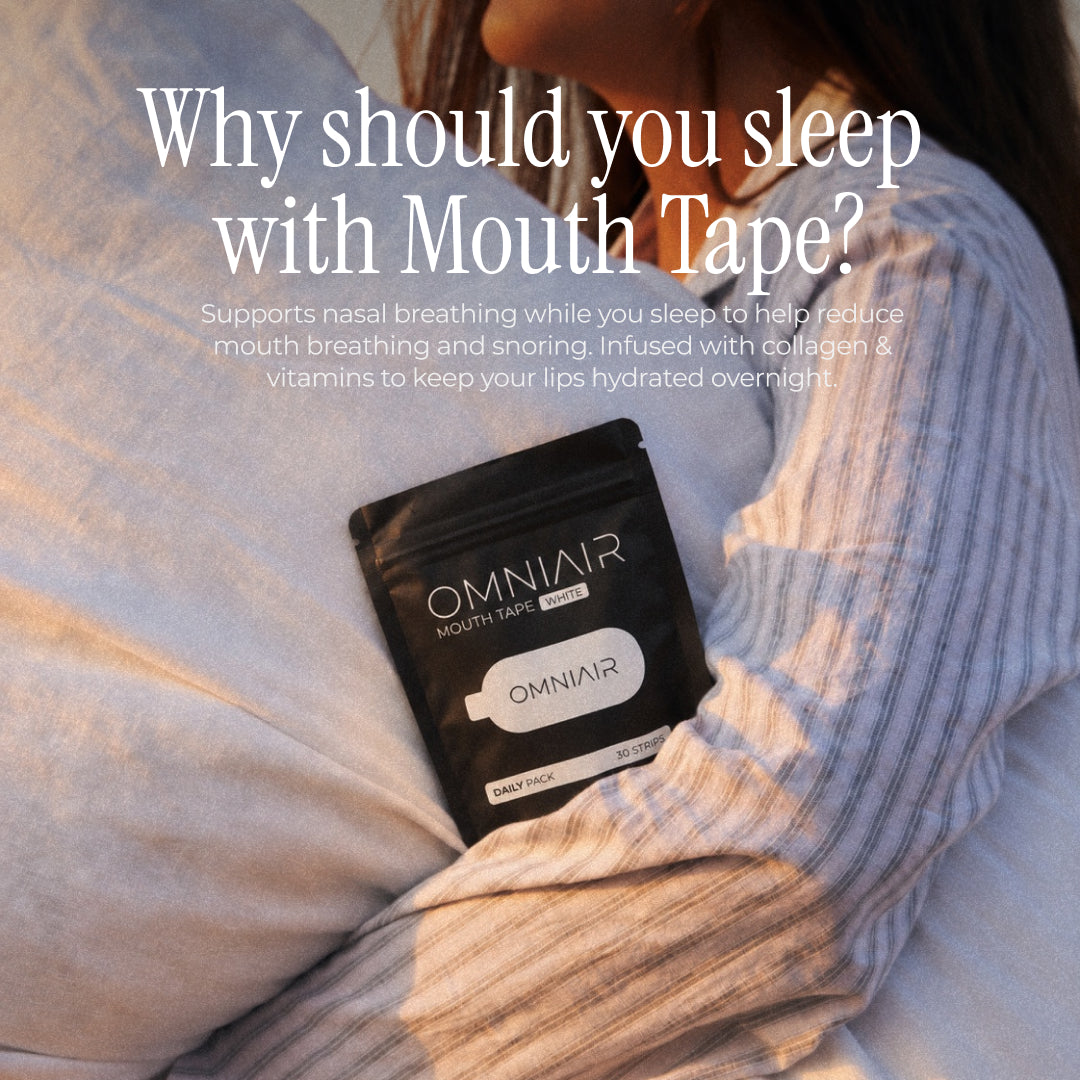
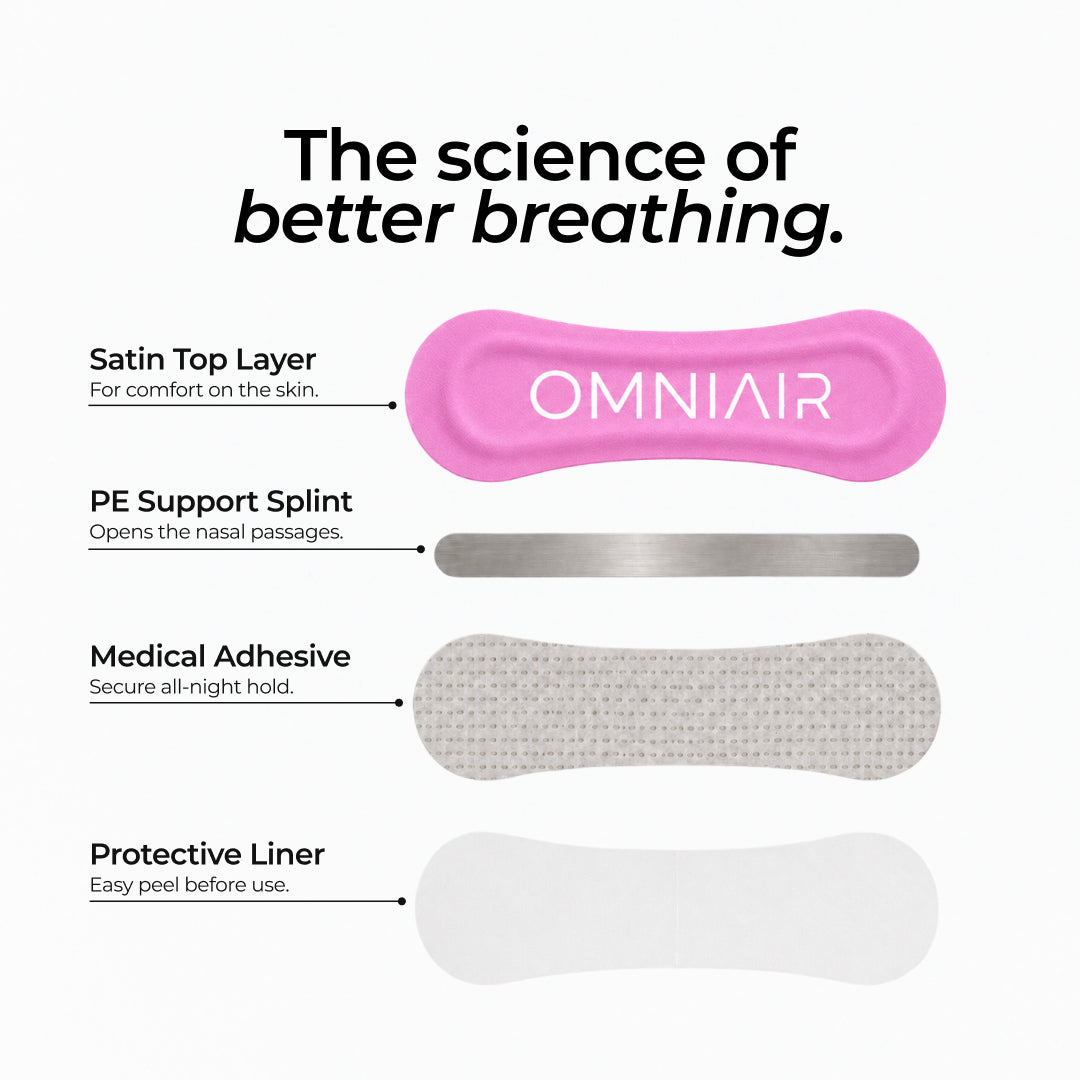
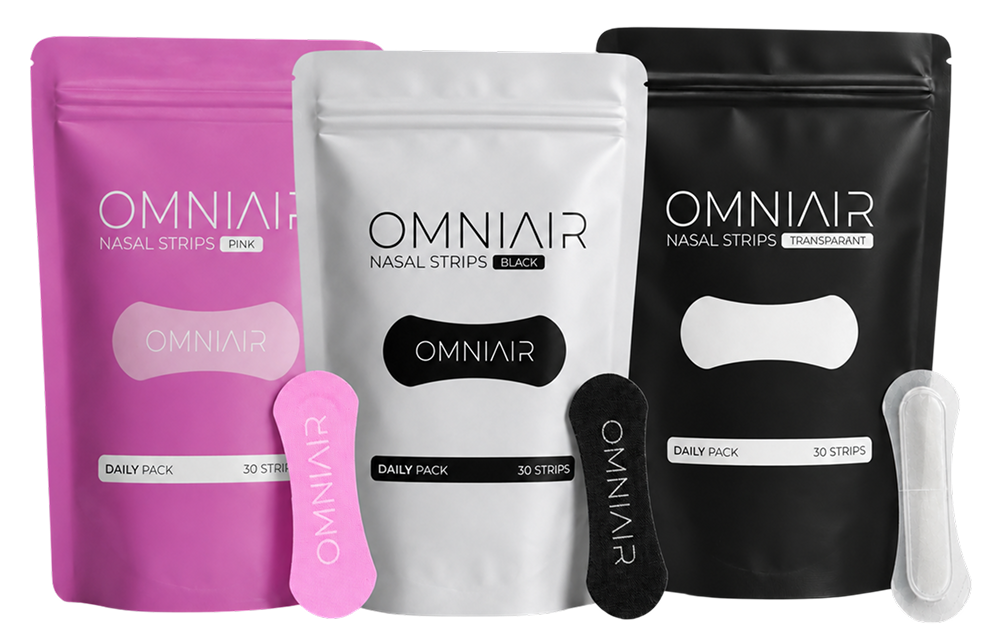
We started OMNIAIR with the things that matter most for breathing and sleep: nasal strips and mouth tape. Red light therapy fits the same philosophy. It is part of a recovery lifestyle, the missing half of the performance conversation.
The world is saturated with content about pushing harder. Train more, work later, sleep less. The data, and the experience of every athlete operating at the top of their game, points in the other direction. Recovery is where the actual progress happens. Training is the stimulus. Sleep, breathing, light, temperature: that's where the body actually adapts.
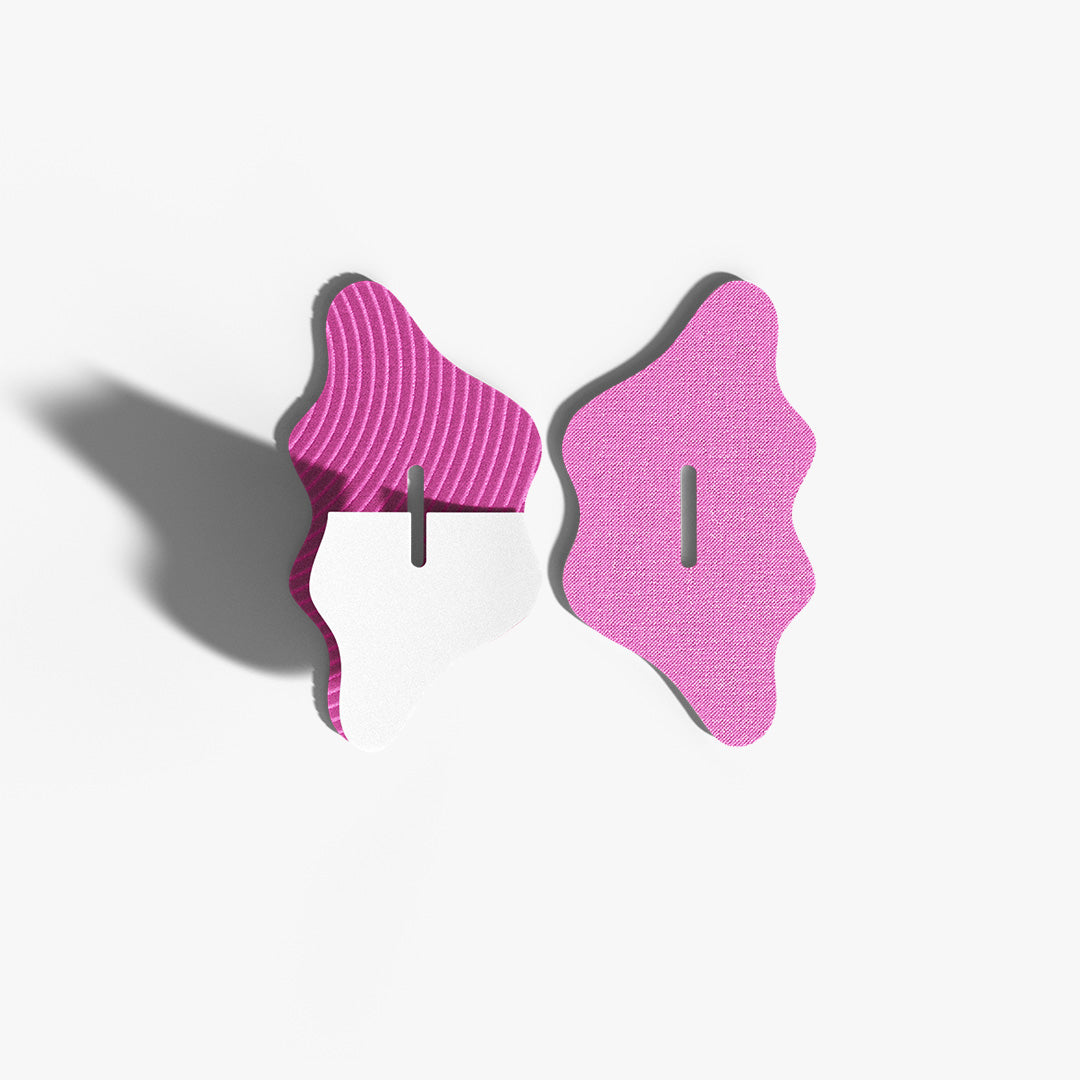
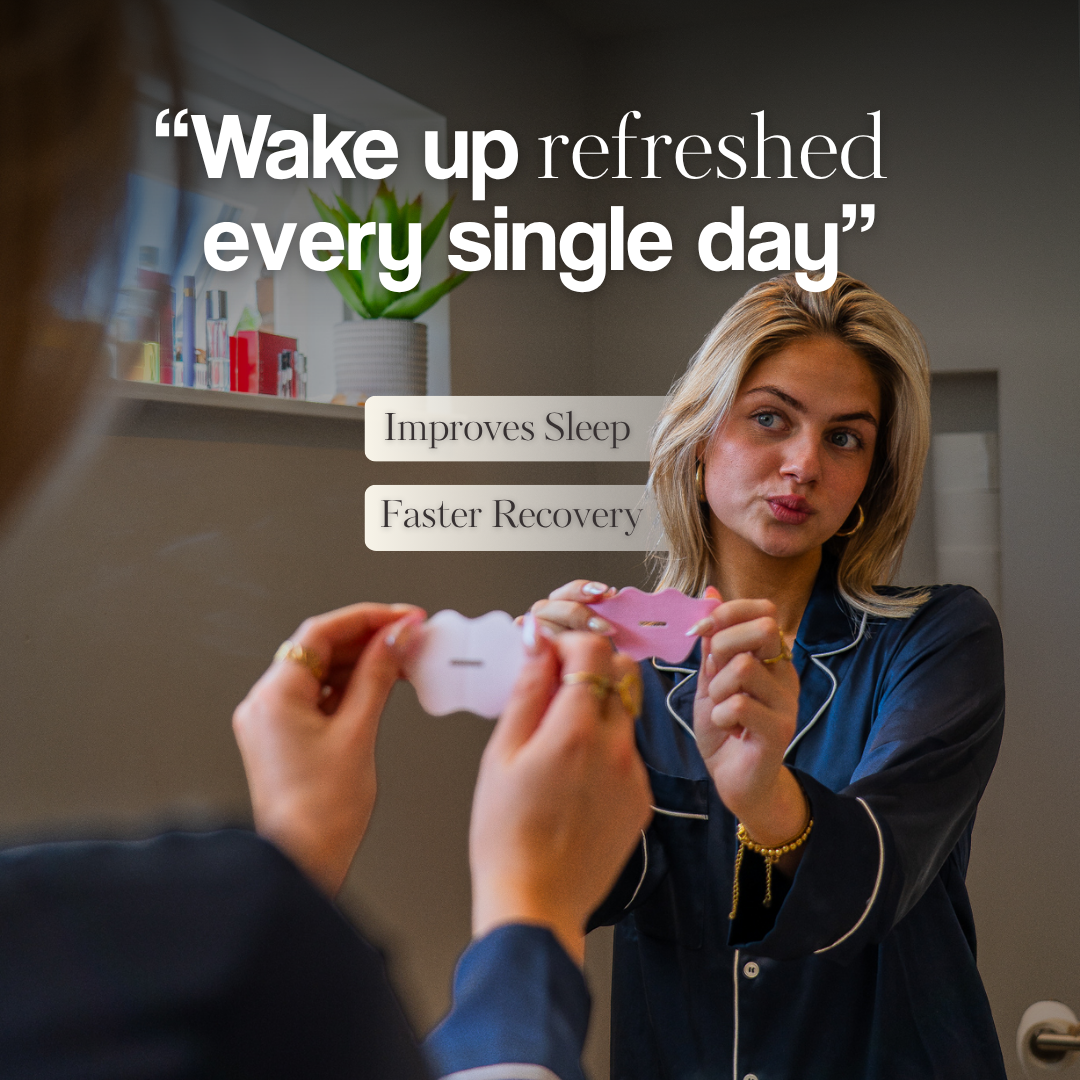
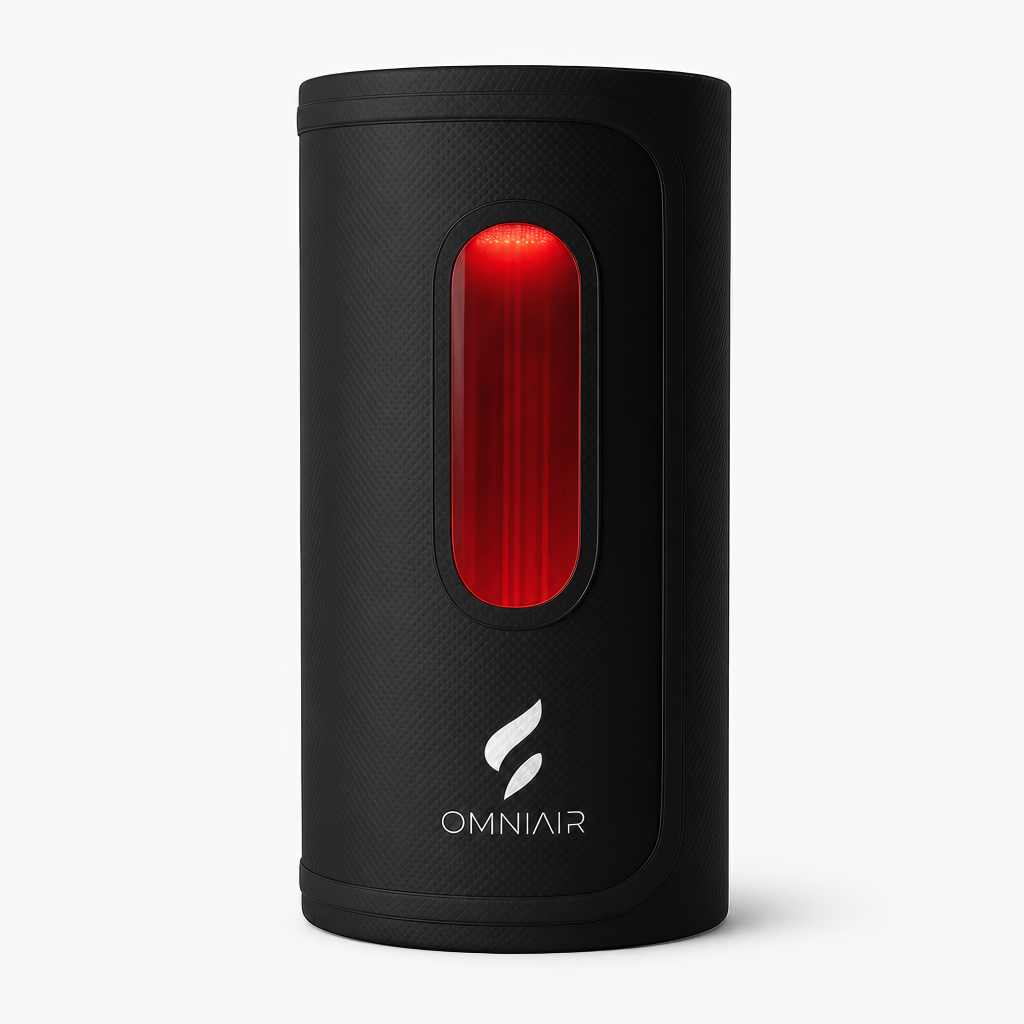
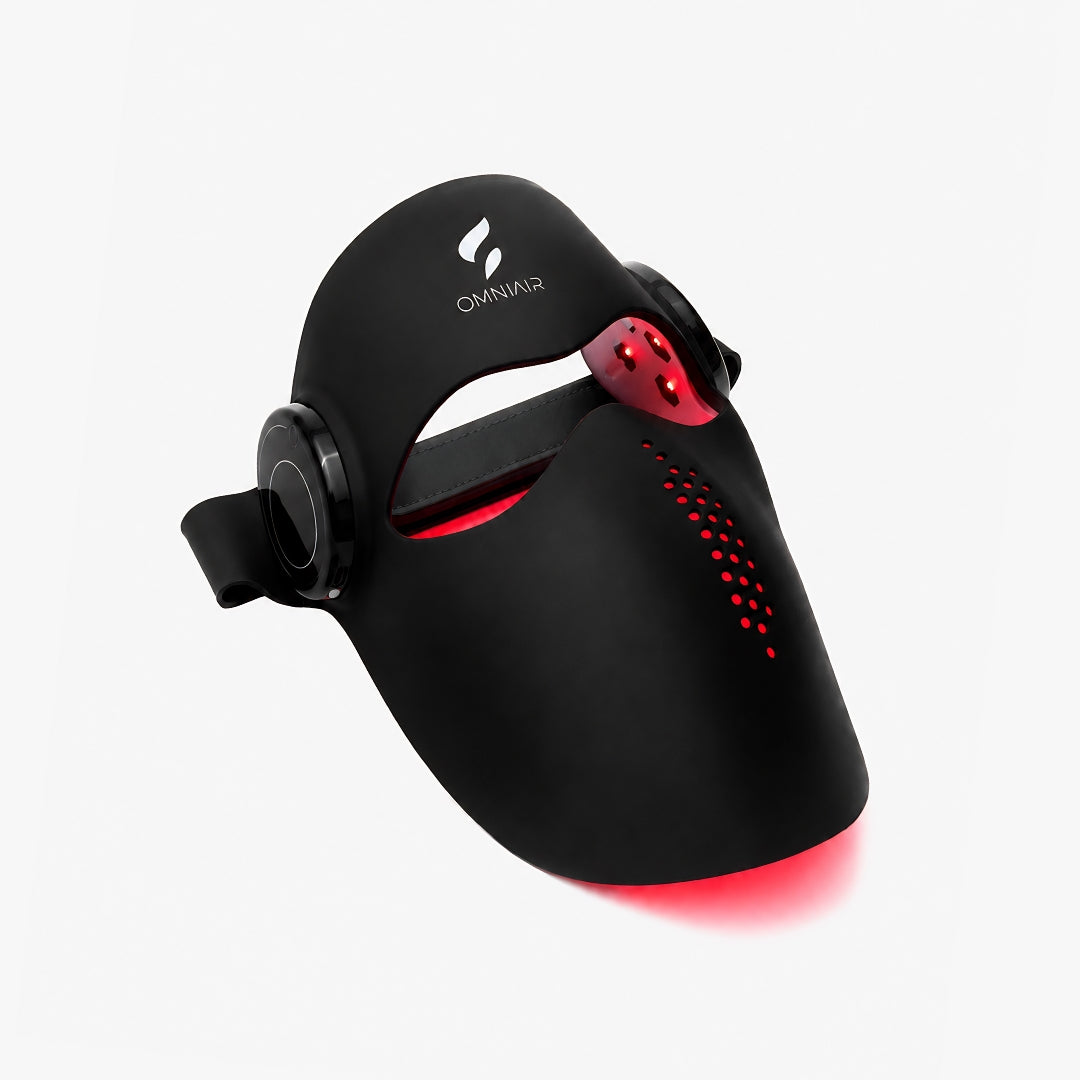
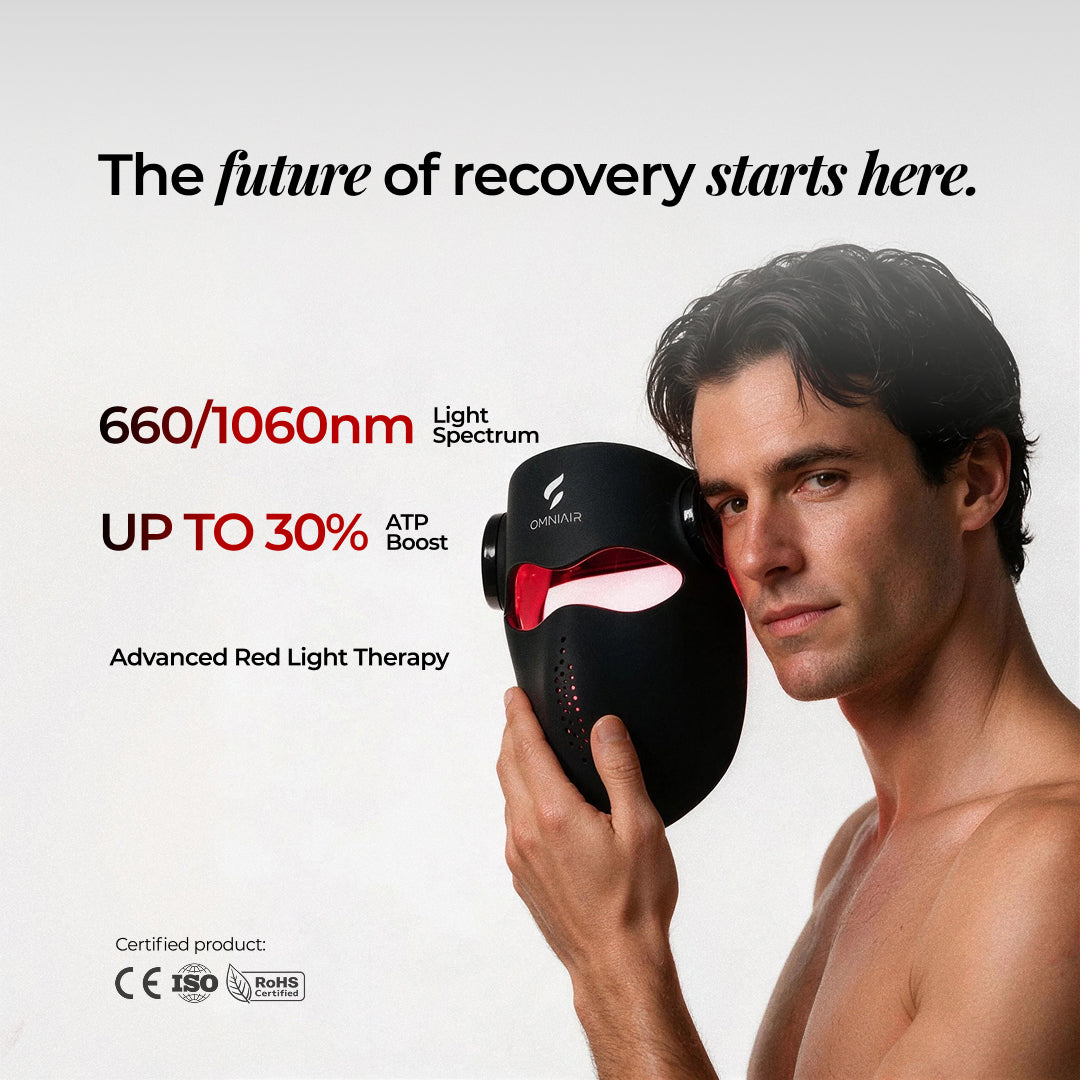
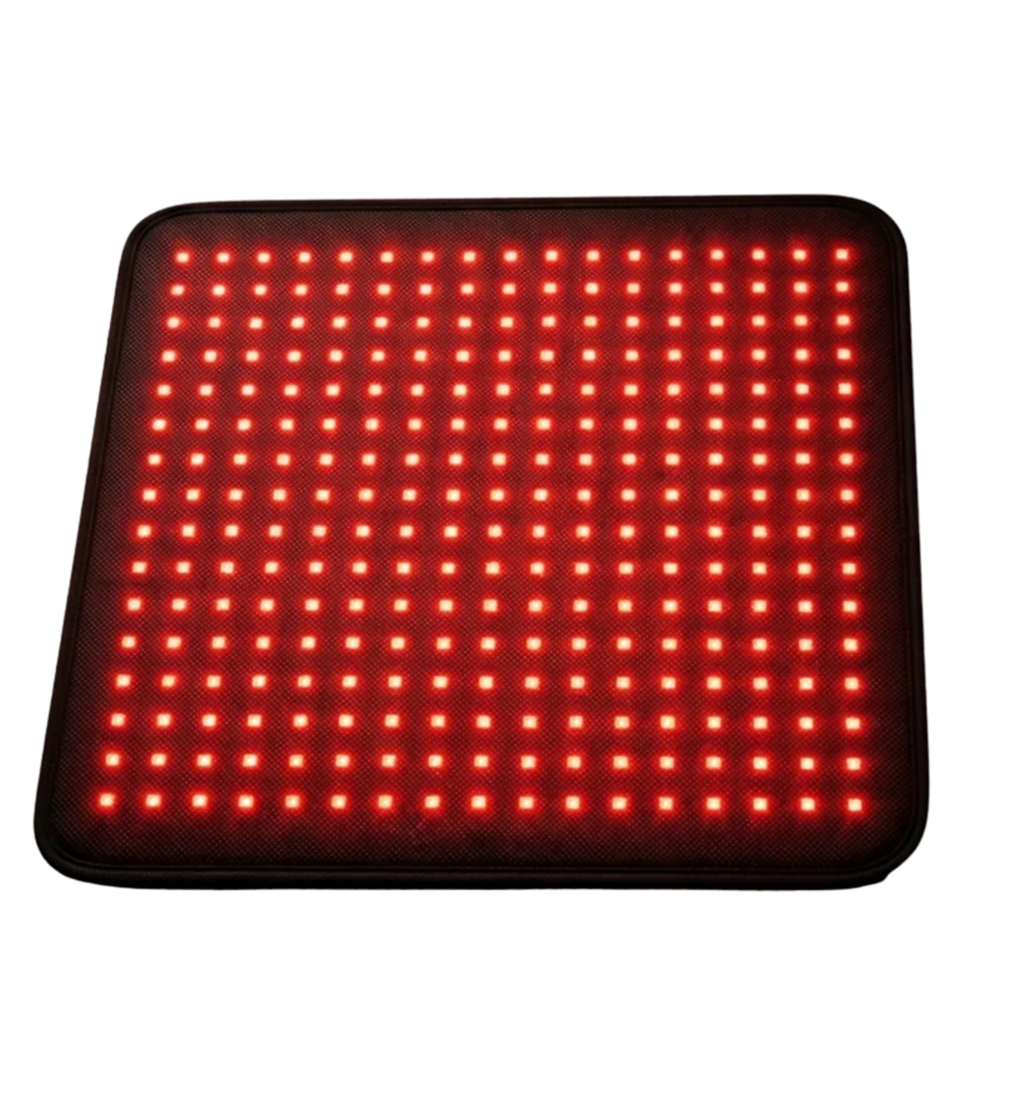
Our Red Light Mask uses both 630 nm and 850 nm wavelengths, the combination supported by the strongest skin and recovery literature. We chose those wavelengths because that's where the evidence points, not because they sound impressive.
How to use red light therapy
If you are starting out, the protocol is simple:
- Frequency: 4 to 7 sessions per week. Consistency beats intensity.
- Duration: 10 to 20 minutes per session. Start lower, increase gradually.
- Distance: Follow the device manufacturer. Irradiance drops fast with distance.
- Timing: Evening sessions support sleep. Morning sessions support energy. Pre-workout sessions support performance.
- Patience: Skin results show after 6 to 12 weeks. Recovery benefits show faster, often within the first 2 weeks.
The short version
Red light at specific wavelengths reaches your mitochondria. Your mitochondria respond by producing more ATP. More ATP means more cellular energy for whatever that tissue does: building collagen, repairing muscle fibers, supporting melatonin release.
The evidence is strongest for skin (collagen and fine lines), recovery (muscle damage and endurance), and reasonably promising for sleep. It is not a miracle. It is a tool, with a clear mechanism and decades of research behind it.
Recovery is the missing piece.
Disclaimer: OMNIAIR products are not medical devices and are not intended to diagnose, treat, cure or prevent any medical condition. If you have a medical condition or health concern, consult a qualified healthcare professional.
Sources
- Hamblin, M.R. (2018). Mechanisms and Mitochondrial Redox Signaling in Photobiomodulation. Photochemistry and Photobiology, 94(2), 199 to 212. https://onlinelibrary.wiley.com/doi/10.1111/php.12864
- Hamblin, M.R. (2017). Mechanisms and applications of the anti-inflammatory effects of photobiomodulation. AIMS Biophysics, 4(3), 337 to 361. https://pmc.ncbi.nlm.nih.gov/articles/PMC5523874/
- Wunsch, A., & Matuschka, K. (2014). A Controlled Trial to Determine the Efficacy of Red and Near-Infrared Light Treatment in Patient Satisfaction, Reduction of Fine Lines, Wrinkles, Skin Roughness, and Intradermal Collagen Density Increase. Photomedicine and Laser Surgery, 32(2), 93 to 100. https://pmc.ncbi.nlm.nih.gov/articles/PMC3926176/
- Lee, S.Y., et al. (2007). A prospective, randomized, placebo-controlled, double-blinded, and split-face clinical study on LED phototherapy for skin rejuvenation. Journal of Photochemistry and Photobiology B. https://pubmed.ncbi.nlm.nih.gov/17566756/
- Leal-Junior, E.C.P., et al. (2015). Effect of phototherapy (low-level laser therapy and light-emitting diode therapy) on exercise performance and markers of exercise recovery: a systematic review with meta-analysis. Lasers in Medical Science, 30(2), 925 to 939. https://pubmed.ncbi.nlm.nih.gov/24996834/
- Vanin, A.A., et al. (2018). Photobiomodulation therapy for the improvement of muscular performance and reduction of muscular fatigue. Lasers in Medical Science. https://pubmed.ncbi.nlm.nih.gov/28748356/
- Zhao, J., Tian, Y., Nie, J., Xu, J., & Liu, D. (2012). Red Light and the Sleep Quality and Endurance Performance of Chinese Female Basketball Players. Journal of Athletic Training, 47(6), 673 to 678. https://pubmed.ncbi.nlm.nih.gov/23182016/

Ready to upgrade your recovery?
Science-backed tools, built for athletes who take recovery seriously.
Shop OMNIAIR