


The water looked fine when you filled the tub. Now there are a few leaves on the surface, a mark around the waterline and one question you would rather answer before getting in: is it time to change it?
Learning how to keep ice bath water clean starts with knowing your setup. A portable tub filled with tap water and ice needs a different routine from a cold plunge with circulation, filtration and a specified sanitizer. Here is how to handle both, from the rinse before your session to cleaning the drain and packing everything away.
Quick answer: To keep ice bath water clean, rinse before entering, keep debris out and clean the tub and accessories between fills. For an untreated tub without filtration, fresh water for each session is a conservative approach. Systems that retain water need their own approved treatment, testing, filtration and replacement routine.
What actually keeps ice bath water clean?
Think of maintenance as separate jobs: keeping dirt out, physically cleaning surfaces, replacing water, and treating retained water where the equipment permits it. A cover helps with the first job, but does not do the others.
The same distinction applies to cooling equipment. A chiller controls temperature; a filter captures particles; an appropriate sanitation system addresses microorganisms.
Some products combine these functions, so check the actual equipment list. A connection port on a tub does not mean a filter or sanitizer is already included.
Clear water is not a hygiene test
Water can look clear and still contain germs. The CDC explicitly makes this point in its recreational-water guidance, which also recommends showering before entering and staying out when you have diarrhea. CDC guidance on preventing swimming-related illnesses.
Use appearance and smell to spot problems, rather than to certify that everything is fine. Equally, a thermometer measures temperature, not water quality.
If you are still choosing your setup, our ice bath at home guide covers the practical starting points.
How often should you change ice bath water?
There is no useful universal answer that covers every cold plunge. The right routine depends on whether you treat the water, how the system operates and how many people use it.
A basic tub without filtration or sanitizer
For an untreated portable tub, using fresh water for each session is a conservative household routine. Avoid treating an online promise of several days or weeks as a hygiene guarantee for your setup.
For context, the CDC recommends at least daily emptying for small untreated inflatable or plastic pools. That guidance concerns kiddie pools, not a tested OMNIAIR ice-bath protocol, but it supports caution about storing untreated bathing water. CDC guidance for small inflatable pools.
Plan the drain and refill before you start. If regular refilling does not fit your routine, investigate a compatible treatment and filtration system rather than simply extending the time you keep untreated water.
A system with filtration and water treatment
Follow the exact manufacturer's protocol, including water replacement, testing, filter care and any approved additives. For example, Plunge publishes separate residential chlorine and non-chlorine manuals, with different products and instructions. Plunge water-maintenance manuals.
The Pod Company instead promotes a proprietary maintenance pack and supplies its own care directions. Its instructions should not be treated as a formula for every portable ice bath. The Pod Company's IcePod cleaning guidance.
Change your plan when the water changes
Unexpected cloudiness, an unusual smell or slippery residue calls for action before another session. In a basic untreated tub, stop using it, drain it and clean it before refilling; if the issue persists, ask the supplier for help.
For treated systems, investigate the water readings and equipment as well. Adding fresh water on top does not clean an existing waterline or the inside of a connected hose.
What should you do before and after each session?
Most of the useful habits are simple. Set up the space so they are easy to repeat without turning each plunge into a cleaning project.
Before you get in
- Rinse your body and feet, particularly after training or walking across the garden.
- Wear clean swimwear and rinse away soap before entering.
- Check the rim, floor and water for debris or residue.
- Use clean ice-making containers and drinking-quality water.
- If you retain treated water, perform the checks required by your system before use.
Keep a clean pair of slides beside the tub so you do not track dirt back in after rinsing. Place the lid somewhere clean while you use the bath, with its inner surface away from the ground.
A short shower helps reduce the dirt, sweat and oils you carry into bathing water. It supports your maintenance routine, but does not replace water treatment or cleaning. CDC advice on showering before entering water.
After you get out
Remove leaves and other visible debris with a clean skimmer. Then follow the route for your setup: drain an untreated session's water, or complete the prescribed checks and cover a system designed to retain treated water.
Clean reusable items before putting them away. Give the rim and the underside of the cover attention too, since those surfaces can contact both hands and water.
Keep children and pets away from stored water. A thermal or weather cover should not be assumed to be a load-bearing safety cover.
How do you clean a portable ice bath properly?
Keep a dedicated soft cloth or non-abrasive sponge with your bath supplies. Before using any cleaner, check that it is suitable for the tub's liner, seams, seals and valves.
As a category example, The Cold Pod's manual recommends gentle washing and rinsing and warns against abrasive cleaners and high-powered hoses. That is useful context, although its product instructions do not establish chemical compatibility for OMNIAIR. The Cold Pod care manual.
1. Drain through the intended outlet
Set up a suitable drainage route before opening the valve. Let the outlet do the work instead of dragging, lifting or tipping a full portable tub.
If you have added an electrical pump or chiller, follow its shutdown and draining instructions first. Keep plugs and electrical connections away from draining water.
2. Remove debris and wipe the interior
Once empty, remove remaining leaves, hair and grit. Gently wipe the floor, walls, rim and waterline, working into accessible folds without pulling at the seams.
Use the cleaner permitted by the manufacturer, following its dilution and application instructions. If compatibility is unclear, ask before applying bleach, solvents, abrasive products or concentrated household cleaners.
3. Clean accessible drain surfaces and accessories
Wipe around the drain opening and clean any removable parts only as the instructions allow. Do not force the valve or take apart a fitting that is not designed for user servicing.
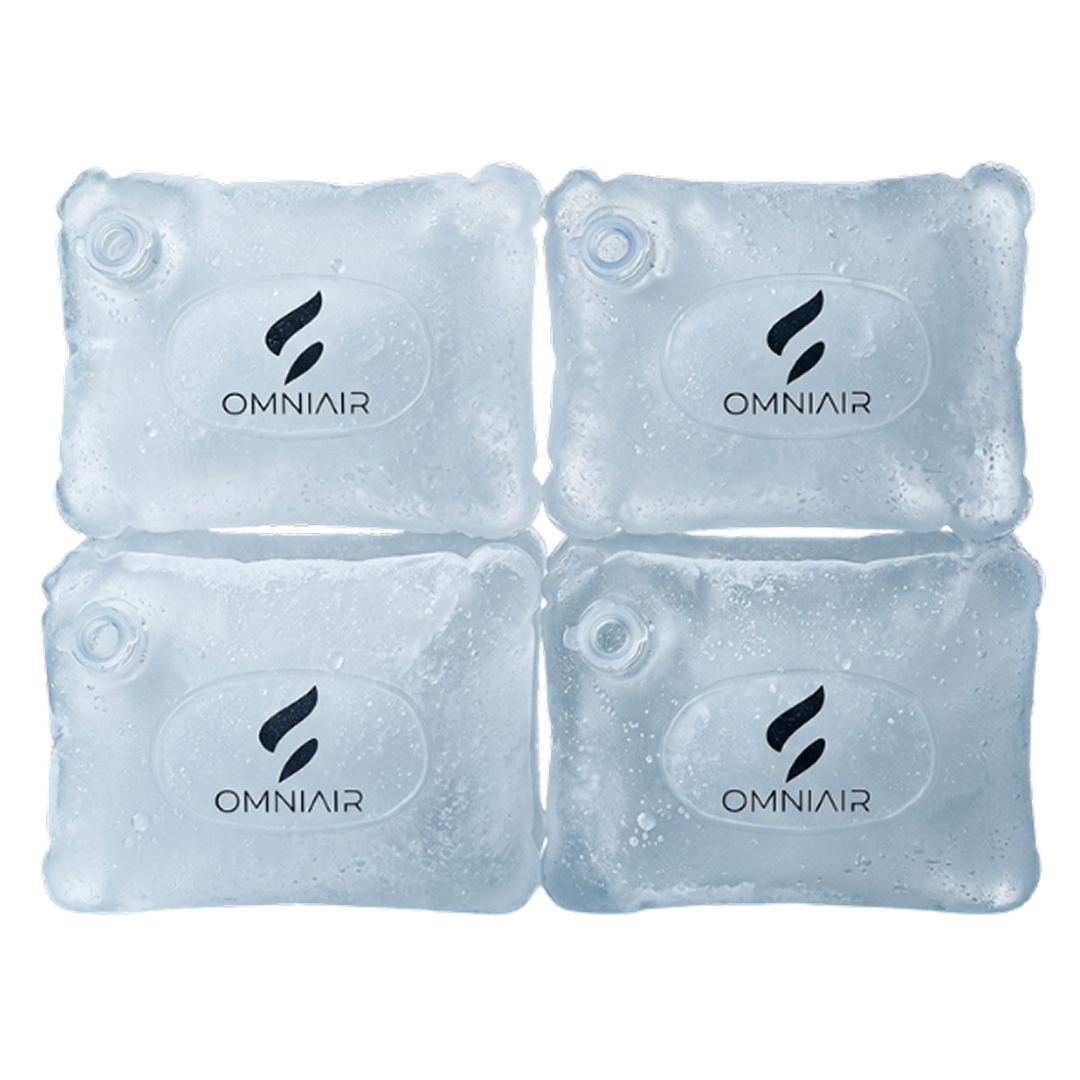
Inspect the thermometer, covers and reusable ice packs as separate items. Clean the outside of ice packs, check closures and stop using any pack that leaks or has damaged seams.
4. Rinse thoroughly
Rinse away loosened dirt and cleaning residue with fresh water. Pay attention to places where rinse water collects, including folds and the area around the outlet.
Cleaning removes residue; disinfecting is a separate process. When disinfection is needed, use a product confirmed suitable for the equipment and follow the required contact time and rinsing directions.
5. Dry before storing, or prepare for a fresh fill
For storage, allow the liner, covers and accessories to dry completely before folding them into the bag. Leaving an absorbent towel trapped inside the packed tub defeats that step.
Before refilling, inspect the liner and check that the drain is closed correctly. Fill only to the intended working level, leaving room for your body to displace water.
Can you use chlorine, peroxide, salt or a filter?
The answer starts with your specific tub and the equipment connected to it. An additive that belongs in one manufacturer's protocol may be unsuitable for another liner, seal or pump.
Use a complete, compatible treatment routine
Chlorine, peroxide-based products and other treatment systems are not interchangeable by volume. Product concentration, actual water volume, water conditions and the label instructions all matter.
Plunge's published non-chlorine routine distinguishes an oxidizer from a sanitizer. That is a useful reminder that a bottle described as a cleaner, conditioner or oxidizer should not automatically be assumed to provide every part of sanitation. Plunge residential non-chlorine protocol.
Do not mix cleaning products or improvise a treatment recipe from several brands. Wait until the specified treatment process and any required testing are complete before using the bath.
Test what your system requires
A pH reading alone does not confirm that water is sanitary. Where a sanitizer is used, you need the measurements and test method appropriate to that sanitizer, along with the other checks in the protocol.
CDC guidance for home pools and hot tubs emphasizes checking both disinfectant concentration and pH. Its pool dosing and disinfection-time examples should not be copied directly into an ice bath operating under different conditions. CDC water-treatment and testing guidance.
Do not rely on salt as a shortcut
Adding Epsom salt or table salt is not a complete sanitation routine. Check compatibility before using either, particularly if you have a pump or chiller.
Plunge specifically advises against Epsom salts in its units because of potential damage over time. This is a manufacturer-specific restriction, not evidence that every tub has identical materials. Plunge's Epsom-salt guidance.
A filter creates its own maintenance tasks
Follow the specified circulation schedule and service the cartridge, strainers and hoses as directed. A dirty filter or neglected line is not fixed by cleaning only the visible tub.
Plunge's deep-clean instructions include its plumbing circuit and model-specific operating steps. Use the manual for your equipment rather than transferring that procedure to a different chiller or portable bath. Plunge deep-clean guidance.
What should you do about cloudy water, smells or slime?
Treat changes as a reason to pause and investigate. Colour or texture alone cannot reliably identify the cause, and adding more chemicals without checking can make the problem harder to resolve.
| What you notice | What to check | Practical next step |
|---|---|---|
| Leaves, insects or grit | Cover placement, nearby trees and dirt tracked in | Remove debris and clean contact surfaces; maintain the normal water routine |
| Cloudy water | Residue, source water and, if fitted, treatment and filtration | Pause use; drain and clean an untreated tub, or troubleshoot the treated system |
| Foam | Soap, lotions, swimwear detergent or cleaning residue | Review rinsing habits and remove residue; do not simply mask it |
| A ring around the waterline | Oils, dirt or treatment-related deposits | Clean with an approved product and check the water-care routine |
| Slippery walls or an unusual smell | Surface contamination and neglected accessories | Stop use and clean; obtain compatible disinfection advice if needed |
| Poor flow from a connected system | Filter, strainers and the manufacturer's troubleshooting steps | Shut down as instructed and service approved user-accessible parts |
Plunge's troubleshooting guidance identifies several possible causes of cloudiness and foam, including organic material, product residue and water-chemistry issues. These examples explain why one symptom does not identify one cause. Plunge water-chemistry troubleshooting.
If someone vomits or has a fecal accident in the water, take the tub out of use. It needs a contamination-response procedure covering water disposal, cleaning, disinfection and accessories, not just a routine skim and refill; obtain instructions suitable for the equipment. CDC contamination guidance for small pools.
What does maintenance look like with the OMNIAIR ice bath?
The OMNIAIR Cold Plunge Ice Bath | Round Basic is a portable tub with insulated PVC walls and an integrated drain valve. Its €110 base setup uses cold water and ice without requiring a powered cooling system.
The drain makes routine emptying practical. The included thermal cover and protective outdoor cover help manage heat gain and exposure to debris, while the storage bag gives the fully dry tub a place between uses.
Four reusable ice packs and a water thermometer are also included. Keep the packs clean between uses and use the thermometer to check temperature; neither accessory provides water sanitation.
Choose a location that makes filling, draining and drying straightforward. A clear route to an appropriate drain can matter more to daily ownership than how good the tub looks in a corner of the garden.
If you want to retain water with added equipment, confirm compatibility and a complete care protocol first. The basic tub, covers and drain do not replace that system.
Browse the OMNIAIR cold therapy collection for the current options. For cold exposure itself, start gradually, avoid plunging alone and check with a doctor first if you have a heart condition or are pregnant.
Frequently asked questions about ice bath cleaning
How do I keep ice bath water clean without a filter?
Rinse before entering, keep debris out and clean the tub and accessories between fills. Fresh water for each session is a conservative routine for an untreated tub; a cover alone does not sanitize stored water.
Can I leave the same water in my ice bath for a week?
Do not assume a week is suitable for an untreated tub. Systems that retain water need their own compatible treatment, testing and replacement instructions, adjusted for use and water conditions.
Does cold water kill bacteria in an ice bath?
Do not use cold temperature as a substitute for sanitation. Cooling the bath does not remove the need for cleaning, water replacement or the approved treatment routine for retained water.
Can I add Epsom salt to keep the water clean?
Epsom salt is not a complete sanitation system. Check the tub and equipment instructions before adding it, since some manufacturers explicitly advise against its use.
Is cloudy ice bath water safe to use?
Pause use and investigate. Cloudiness has several possible causes; drain and clean an untreated tub, or follow the testing and troubleshooting instructions for your treated system before using it again.
Do I need to clean reusable ice packs?
Yes. Clean their exterior using the permitted method, check the closures and inspect for damage. Freezing a dirty pack does not replace cleaning it before it goes back into the bath.
Can I fold my ice bath away while it is damp?
Let the tub, covers and accessories dry completely first. Check folds and the drain area before packing, and store everything according to the manufacturer's instructions.
Build your home routine around a simple setup: explore the OMNIAIR Round Basic ice bath.
Ready to upgrade your recovery?
Science-backed tools, built for athletes who take recovery seriously.
Shop OMNIAIR